

Adapted from Squirrly’s Expectation Marketing course. Updated November 10, 2026.
Expectation Marketing helps businesses give potential customers a consistent message, useful answers, and clear ways to get in touch. Its strongest role is supporting people who are already evaluating your brand. This lesson explains those benefits through historical examples from Squirrly’s original course.
In our first lesson, we’ve talked about becoming experts in Expectation Marketing, what it actually is and how it helped us gain the trust of our visitors. If you haven’t seen it yet, start here.
All of this information is a good thing to have, but let’s find out how it can positively impact your own business and marketing strategy. So today we’ll focus on:
- The benefits of the Expectation Marketing Strategy for your own site
- What it actually looks like when brands use it
- Our Client’s Success stories with the strategy.
Your Brand’s Personal Benefits with Expectation Marketing
Knowing what your audience is searching for and creating the content they need is clearly going to have a positive impact. But Expectation Marketing goes beyond specific topics and focuses on the image of an active brand.
The first problem this marketing strategy solves is having a consistent message. If you follow the steps of this plan, you’ll have a clear message that will be reinforced throughout your strategy. It will connect the content on your site with the one on your social media profiles and emails as well.
Having a clear message through all the marketing campaigns within a year is a problem that many companies face. Because you focus on specific events and short-term milestones, you lose sight of the bigger picture.
The Expectation Marketing strategy helps you because it instills a workflow that makes you constantly publish useful content. So you don’t have to re-invent the wheel every single time.
Secondly, it helps you plan continuous publishing. A shared editorial calendar lets your team prepare research, writing, review, and distribution instead of rebuilding the process for every campaign.
You need a system that will help you plan your creation, feedback, and publishing process. The secret (when it comes to Expectation Marketing) lies in applying this new strategy in the structured way we’ve established.
Third, useful, accessible information can make a business easier to evaluate and contact. Active social profiles alone do not guarantee better Google rankings. Measure search visibility, qualified visits, inquiries, and conversions separately.
When the audience is in the early stages of decision-making, especially exploration, they will search for an answer to their needs. The content we created for our clients was focused on presenting the needs from the perspective of the audience.
This didn’t always take people from content to purchase. That’s not how content marketing works. But it gave the audience the possibility to start a conversation. Which manifested in comments on articles, reactions, tweets and tags on social media, and even emails to sales and support.
Now here comes the good part. There are people who have heard about your brand: from industry trade shows, received your business card, via word of mouth, via flyers, via ads (even if they didn’t click the ad), they saw mentions on forums, on Quora, etc.
Many marketers these days focus only on gathering traffic to their site and then trying to convert it with email pop-ups. I’m not saying that this is bad. I’m saying that you might miss out on better leads by focusing on that.
A person already researching your business may be closer to a decision than someone subscribing for the first time. Serve both groups, but do not judge success by subscriber totals alone. Compare qualified inquiries and purchases by source using your own data.
Here’s the best part of the funnel where Expectation Marketing helps your business: when there are people who research you already. They don’t just research something they need; they start looking to see what your company and your brand are all about.
Now your own brand can benefit from these advantages. Let’s focus on how your site can look like once you’ve implemented this strategy.
How Does Expectation Marketing Actually Look Like?
A clear proposition, useful resources, and accessible contact details are practical signs of the approach. The original lesson illustrated these with Rezdy.
The original lesson used Rezdy as an example of a brand with a clear proposition, educational resources, and accessible contact details. Treat the following observations as a historical illustration of the method, rather than a current audit of Rezdy’s website.
- They have contact information on each page. If you scroll down on any of their pages, you’ll find their contact information.
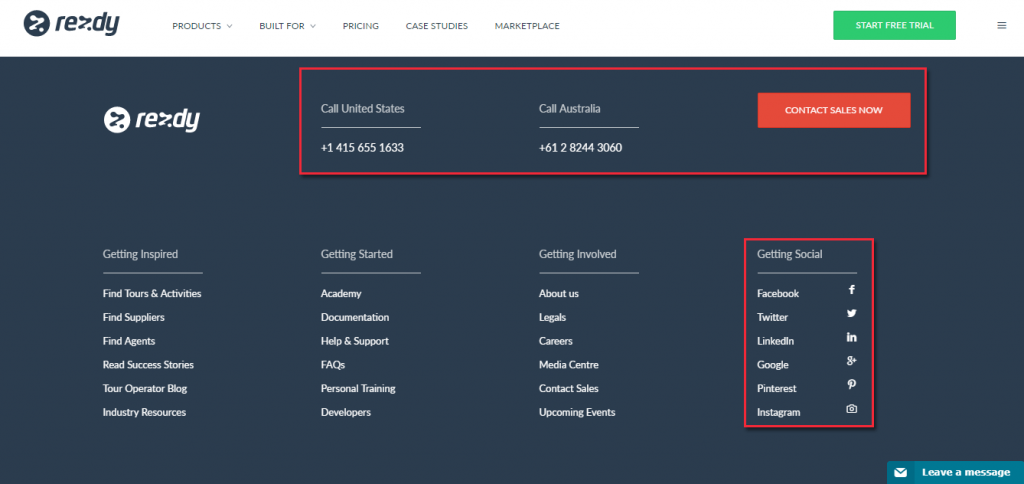
- They maintained a regular publishing schedule in the original example.
- You can find a clear definition of what the platform does on the home page of the site:
“Online Booking Platform For Tours & Activities
Where tour and activity professionals network, trade and thrive”
- Their audience can easily find content to help them use the platform and educate them: webinars, e-books, and toolkit.
- An about page that presents their company, team, and values.
- They constantly post on all their social media profiles. More than that they make sure to answer the comments they receive there. It’s just a way to show their audience their support has been seen.
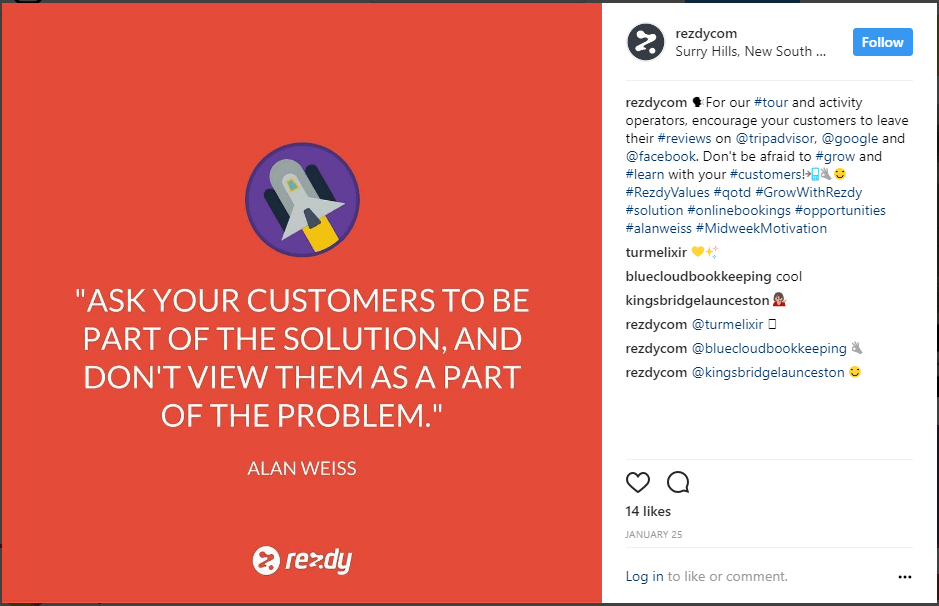
This can be the way your own site and social media channels look like. Full of engagement and interactions with your audience. Let’s focus further on the success stories for brands we’ve helped implement this Strategy.
Success Stories: How Our Clients Have Embraced Expectation Marketing!
The Grable Group case below comes from Squirrly’s original agency account. It illustrates how content can help event planners evaluate entertainment. It is not a current artist roster or a guarantee of booking results.
One of the clients who had the most to win with The Expectation Marketing strategy is The Grable Group. They are a talent managing company that has numerous Musicians, Comedians, Entertainers, and Speakersthat they get booked for different events.
The entertainers they represent include:
- Oz Pearlman, world-class mentalist and finalist at American’s got talent
- Bob Stromberg, the comedian shadow puppeteer that you’ve seen on Steve Harvey Show’s Little Big shots
- Bria Kelly, that you’ve seen on season 6 of the Voice
- Other performers featured in the original historical campaign.
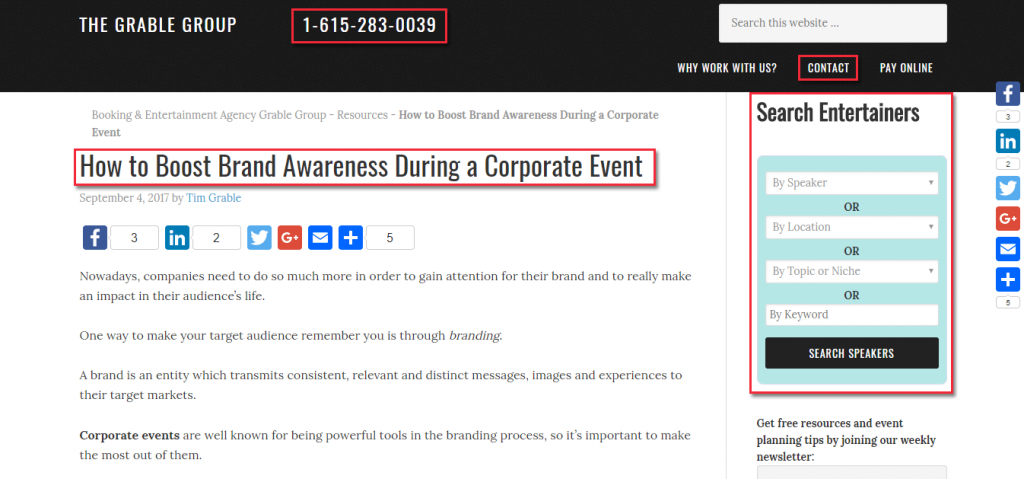
As you can see in the image above, even from their homepage you can tell they’re doing Expectation Marketing right. They have contact details, an easy way to help visitors search for the entertainment they need. But most importantly the content, even on the first page, is focused on the needs of the audience rather than promoting their services.
By implementing our content marketing strategy we’ve helped their business in continuously promoting the video content of their clients. This gave them a longer time frame in which the audience (that fell in love with the performers) can remember and even book one of the artists.
This wasn’t the only content we created for their sites. By keeping the needs of their audience in mind, a big part of the content we created for them with this strategy included materials that help event planners choose the right entertainment for their specific occasions. This is what made their audience loyal to the brand.
The transferable lesson is to help event planners make a suitable choice, rather than only promoting performers. Explain the occasion, audience, process, and suitability. This can support repeat business, but the lesson provides no controlled evidence of a particular booking lift.
Another example where the Expectation Marketing offered benefits for our clients is in the case of Personal Brands. Until now we’ve discussed how it can help businesses, but this strategy can bring advantages to your personal site as well.
Another historical example is Apphil, Philipp Kandal’s personal website. The original lesson discussed his work at Telenav at that time; that role should not be read as his current position.
Taking a close look at the site we can see :
- A clear message regarding what the site stands for:”Philipp Kandal, My thoughts on mobility of the future“
- Contact information and the possibility to send Philipp your message.
- Constant posting on the blog.
- Accessible social media profiles and newsletter subscription.
- The about page that explains the site further than the initial message.
Now that we have a clear idea on what the Expectation Marketing elements are let’s discuss how this strategy has helped him.
The original case described growth in Philipp’s social audience alongside consistent publishing. Historical follower counts are not current metrics and do not, by themselves, establish what caused growth.
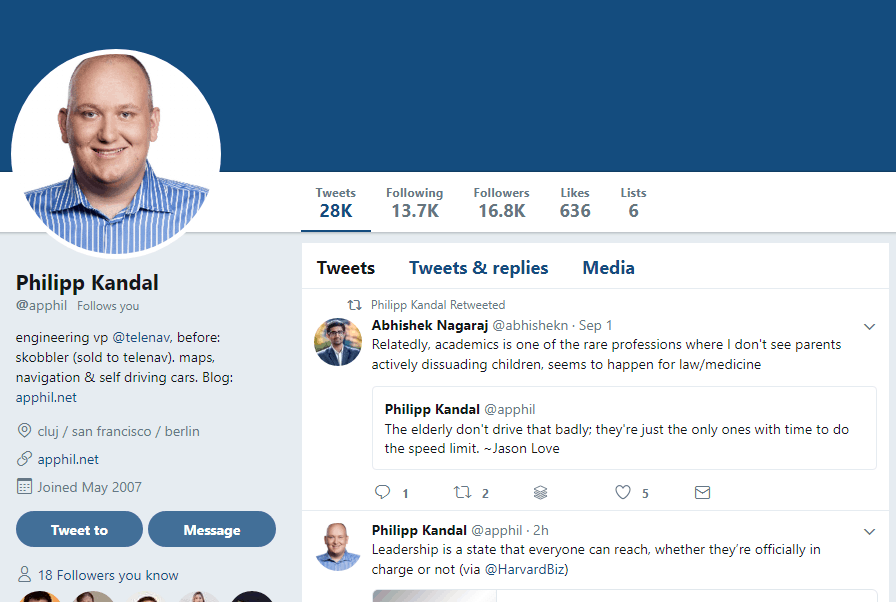
The publishing mix combined his own articles, opinions, and relevant industry sources. The transferable lesson is to give readers a reason to return beyond seeing repeated promotions.
This is what makes him a thought leader, not just a brand that promotes only its own work. This aspect is crucial for personal brands more than anything. Focusing only on your content and products will have a negative effect as few people want to subscribe to a feed of self-promotion.
The original account also reported business conversations arising from this visibility. No independently verifiable revenue figures are provided here, so treat this as a qualitative illustration rather than a quantified return-on-investment claim.
The strategy delivered.
Because his blog focused on news in his industry and his opinion on this subject, it showed people who were already doing their research on him that he is active in the industry and well informed.
Finding the contact information easily turned these possibilities into solid realities. The recipe?
- High profile person does research.
- Finds an active social profile.
- Sees how popular and active Philipp is.
- Decides to check out the blog as well.
- Impressed.
- Looks for contact details.
- They end up discussing a deal.
Takeaways
As you’ve seen, this marketing plan can bring a lot of great and tangible advantages:
- Clear messages about the brand and what it stands for
- Constant publishing
- Brand looks really active in their industry. This builds trust for the people who research them. Nobody wants to do business with a brand that seems to have run out of business.
- Access to all the information the visitor needs to make the decision of getting in touch with brand representatives: sales, support, the person behind the brand.
All these advantages are possible with our strategy.
We’ve shown you the elements that can tell you if other sites are using this type of marketing. And we’ve focused on the main advantages our clients had so far with the Expectation Marketing strategy while working with our Agency.
Continue to Lesson 3 to audit your website and identify the information or processes that are missing.
Continue the Expectation Marketing course
- Lesson 1: How Your Marketing Strategy Can Really Work
- Lesson 2: Why Is Expectation Marketing Important For Your Business
- Lesson 3: How to Audit Your Site to See If You’re Doing Expectation Marketing Right
- Lesson 4: Getting Better at Expectation Marketing, an Actionable Plan
- Lesson 5: The Benefits and Mistakes of Applying Expectation Marketing
- Bonus Lesson: How to Meet Customer Expectations with Amazing Content
Original lesson: Lesson 2: Why Is Expectation Marketing Important For Your Business.